
PHILOSOPHY
Why I Build
Creation is often the fastest way to discover whether an idea actually deserves to exist.
READ ENTRY →This is not a conventional portfolio. It is an evolving record of what I notice, what I question, what I learn, what I construct, and what I discover while attempting to convert abstract thought into something functional. It is a personal archive of experimentation, learning, digital construction, behavioural inquiry, visual observation and deliberate creation.

Questions concerning cognition, behaviour, autonomy, meaning, systems of thought and the assumptions hidden beneath ordinary life.

Digital utilities, interfaces, experiments, automation concepts and functional systems assembled from raw ideas.

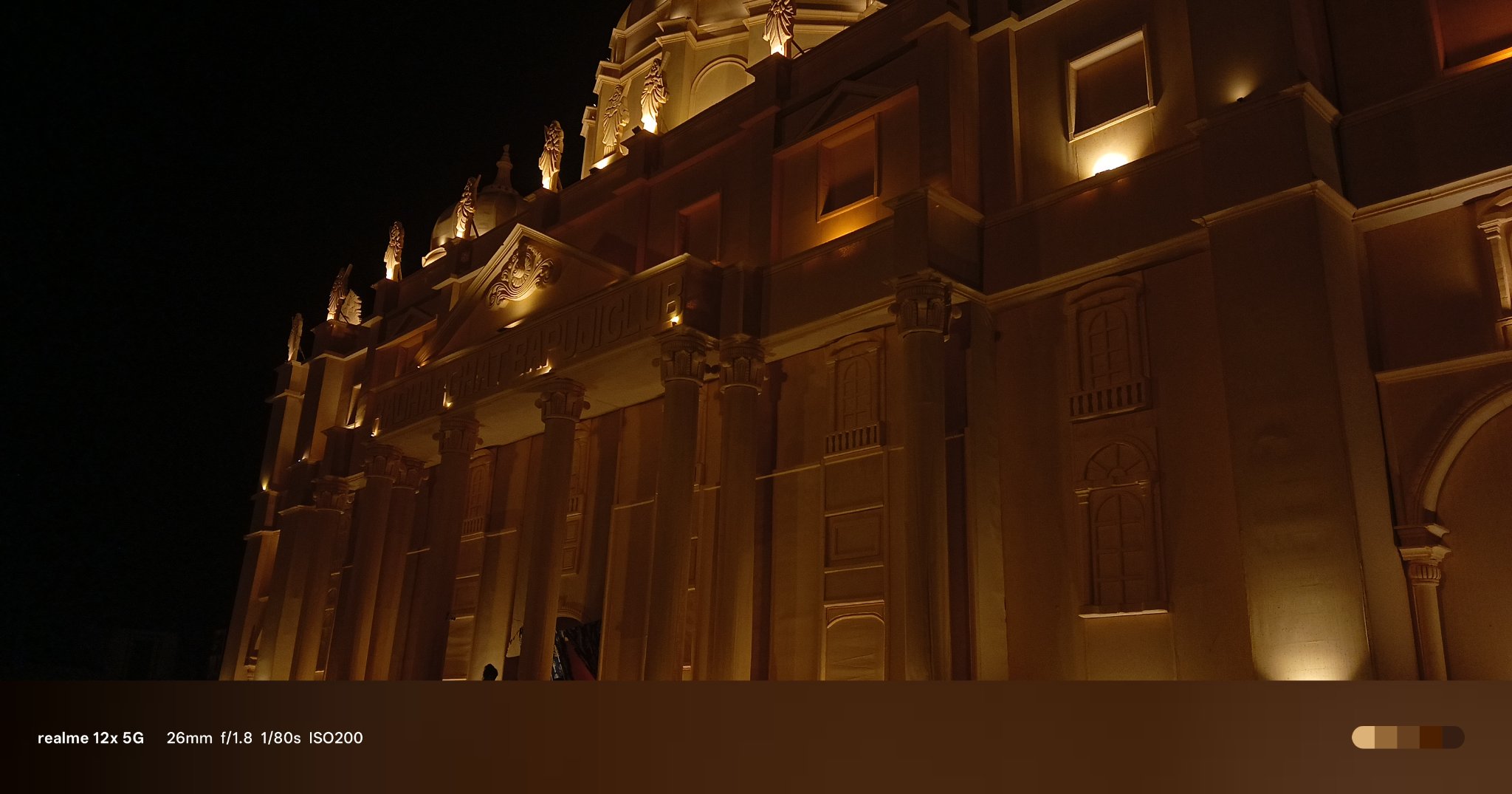
A visual notebook of places, structures, light, atmosphere, geometry and moments that deserve to be preserved.

Working essays, observations, technical experiments and reflections on ideas that continue to occupy my attention.

Small observations, unfinished thoughts, study fragments, experiments and records that may eventually become something larger.

A productivity system designed to turn study into a measurable game.
A growing catalogue of websites, utilities, experiments and digital systems.
A visual notebook rather than a conventional portfolio — photographs of places, atmosphere, geometry, light and whatever catches my attention.
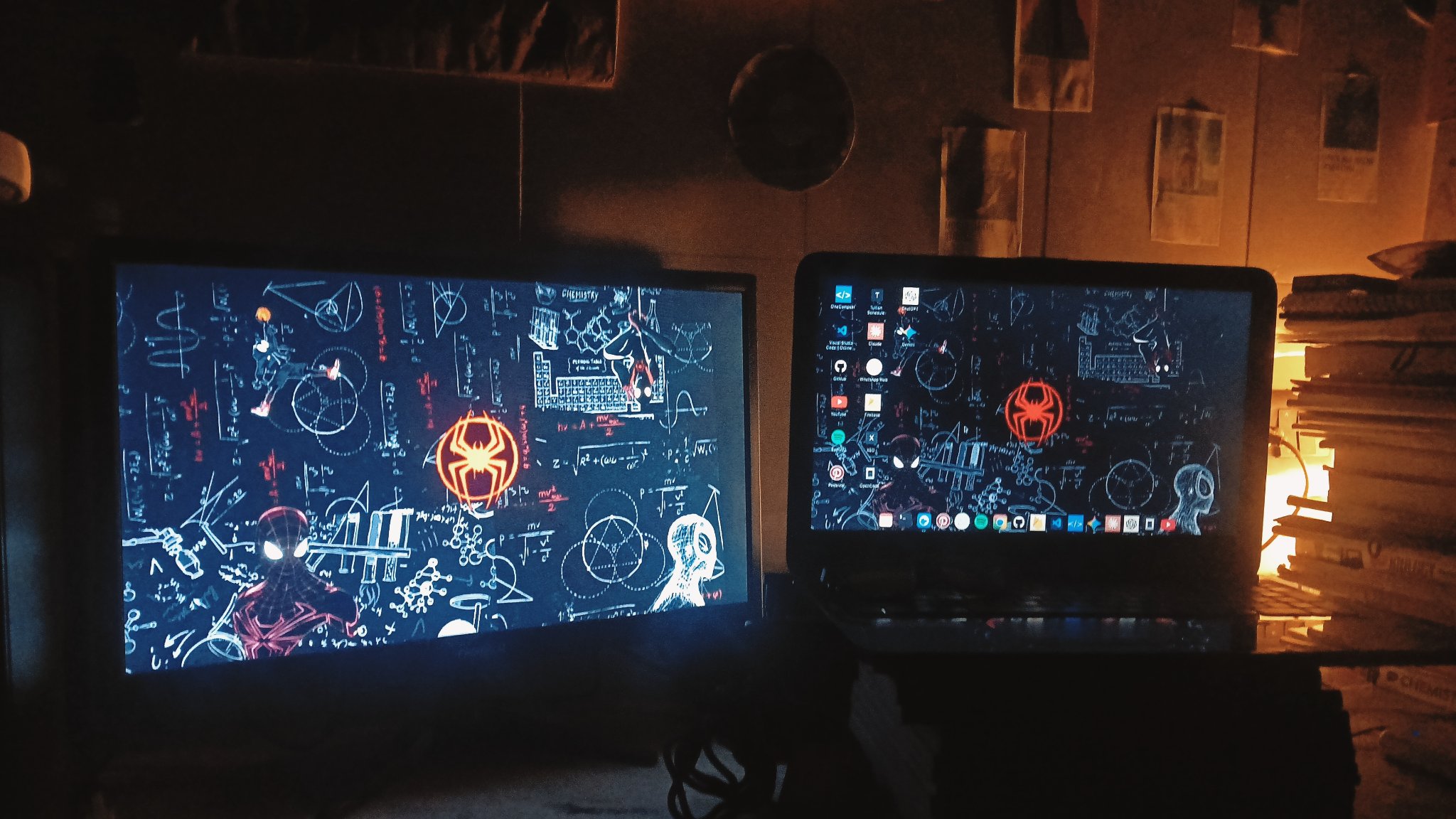
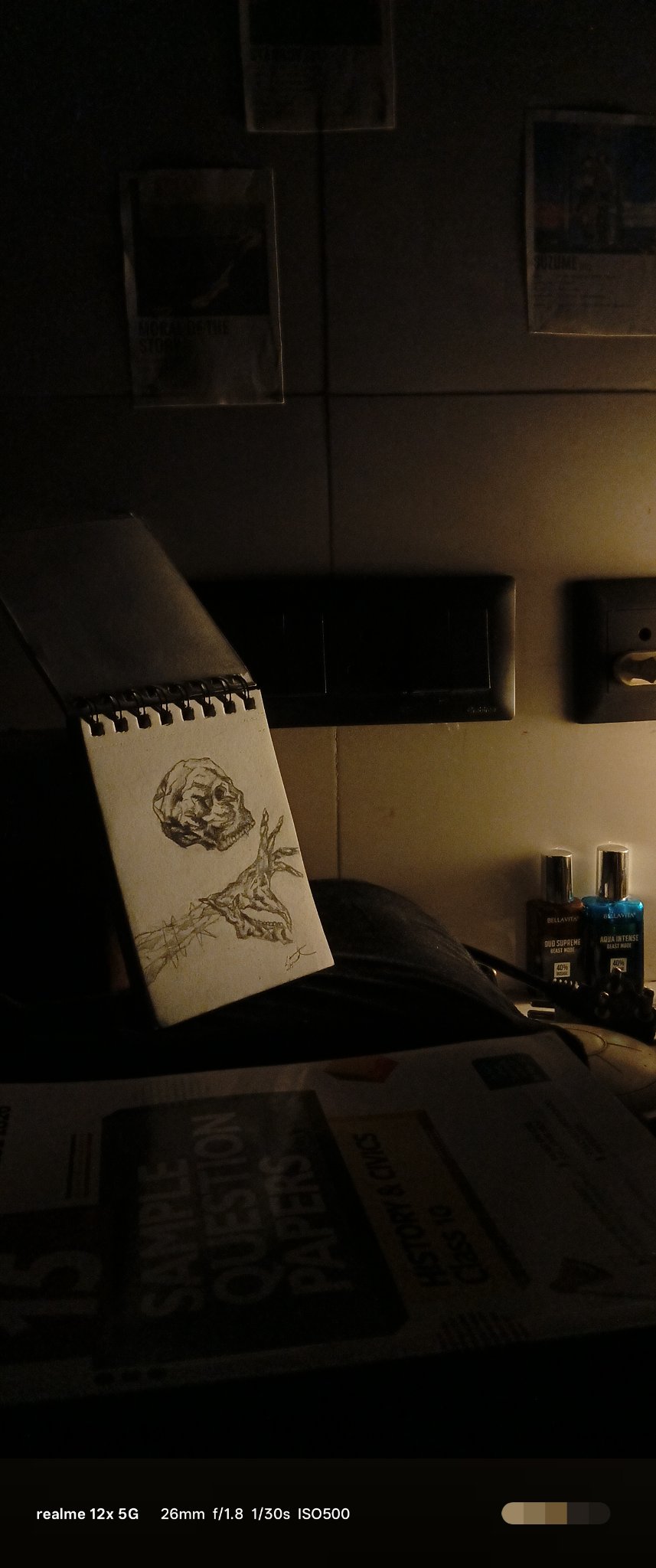

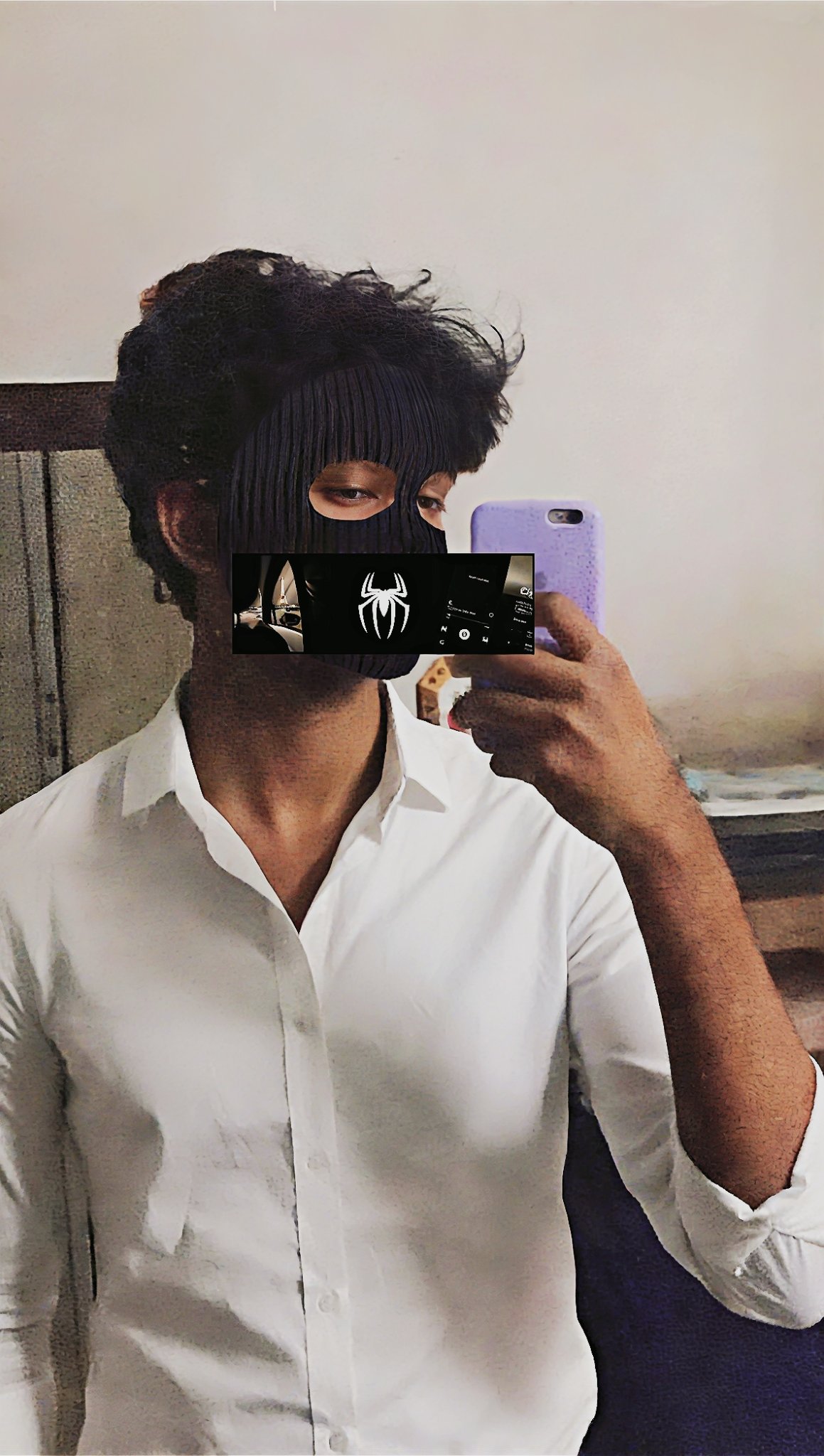
I approach learning, creation and technology through a philosophy of deliberate ownership. I am interested in understanding how systems work, identifying the mechanisms that govern them, and then reconstructing those mechanisms into something useful, personal and functional.
My instinct is fundamentally generative. When given uninterrupted time, I naturally gravitate toward creation: designing an interface, testing an idea, writing a program, analysing a behavioural pattern, constructing a digital utility or transforming an abstract concept into something that can actually be interacted with.
I do not regard technology merely as a collection of tools. I regard it as an extension of thought. Software allows an idea to acquire structure; artificial intelligence allows experimentation to accelerate; design allows the resulting system to communicate with another human being.
My objective is therefore not technological novelty for its own sake. I am interested in purposeful construction — systems that solve a problem, clarify an idea, reduce friction or simply transform an interesting thought into a tangible experience.
High agency, environmental vigilance, deliberate attention and an inclination toward independent analysis. I attempt to understand a system before attempting to manipulate it.
Information is most valuable when it can be assimilated into a working mental model. Understanding therefore means moving beyond memorisation toward mechanism, structure and practical deployment.
Empty time tends to become a laboratory. Ideas become prototypes, prototypes become interfaces, and interfaces become systems capable of existing independently.
Artificial intelligence functions as a high-velocity collaborator in prototyping, debugging, exploration and implementation, while conceptual ownership remains human.
Human behaviour, habit formation and interface ergonomics are studied as practical mechanisms through which systems can become intuitive, motivating and easier to operate.
High-contrast illumination, dense urban geometry, atmospheric environments and visually structured spaces strongly influence how I think about design and visual communication.
Learning remains a central responsibility. Creation is valuable only when it exists alongside intellectual development and disciplined study.
Independence is treated as a working condition: reduce unnecessary friction, preserve cognitive continuity and direct attention toward meaningful objectives.
Essays, observations, technical experiments, reflections and longer-form records.
Creation is often the fastest way to discover whether an idea actually deserves to exist.
READ ENTRY →
Building something creates a different relationship with knowledge than simply consuming information.
READ ENTRY →
The visual and physical environment around a person can alter how attention behaves.
READ ENTRY →Reduce unnecessary friction. Preserve attention. Build what can be built. Study what cannot yet be built.
An interface is successful when the user understands what to do before the interface has to explain itself.
Every project is simultaneously a technical experiment, an aesthetic experiment and an experiment in understanding behaviour.
For constructive feedback, collaboration, questions about a project, technical discussion, observations or simply an interesting conversation, you can leave a message here.